
The Best Museums in Paris (And Whether the Paris Museum Pass Is Worth It)
If there is one thing I’ve learned from spending so much time in Paris over the last few years, it’s that you could plan an entire trip around the museums and still barely scratch the surface.
I’ve now visited many of the best museums in Paris, from the famous museums everyone knows to smaller museums I stumbled across while exploring different neighborhoods. And honestly, some of the places I expected to love weren’t necessarily my favorites, while a few museums I knew much less about completely surprised me.
Paris is obviously home to the Louvre, but there is so much more to the city’s museum scene. You can see Impressionist masterpieces inside a former train station, explore fashion history at La Galerie Dior, discover contemporary art inside the circular Bourse de Commerce, or walk into a gorgeous historic mansion in the Marais and learn about the history of Paris for free.
There are also museums where the building, courtyard or café is almost as memorable as the art.
If you're planning a Paris trip and trying to decide which museums are worth your limited vacation time, I'm sharing the museums I've personally visited, which ones I would prioritize, and whether buying a museum pass in Paris actually makes sense.
Is the Paris Museum Pass Worth Buying?
One of the first things people ask when planning a museum-heavy Paris itinerary is: Is the Paris Museum Pass worth it?
The answer really depends on which museums you plan to visit.
The Paris Museum Pass provides admission to many museums and monuments in Paris and the surrounding area for a set period of time. If you're a first-time visitor planning to see several major attractions over consecutive days, it can potentially save both money and the hassle of purchasing individual admission tickets.
But there is one really important thing to understand before buying it:
Not every museum in Paris is included in the Paris Museum Pass.
This becomes particularly important if your interests lean toward fashion, contemporary art or smaller private museums. For example, places like La Galerie Dior and Bourse de Commerce – Pinault Collection require their own admission rather than being places you should assume are covered by the pass.
Some of my other favorite Paris museums have permanent collections that are already free, including Petit Palais and Musée Carnavalet. So before buying a Paris Museum Pass simply because you plan to visit a lot of museums, make a list of your must-see attractions and calculate how many are actually included. For a first-time Paris itinerary packed with major museums and monuments, I can see the value. For someone returning to Paris who wants to explore smaller museums, fashion exhibitions and contemporary art spaces, buying individual tickets may make more sense.

How to Decide If You Need a Museum Pass in Paris
Before buying a Paris Museum Pass, I would do three things.
First, make a list of the museums and monuments you absolutely want to visit.
Second, check which of those attractions are currently included with the pass.
Third, group the included attractions together geographically and by day.
The pass is timed by consecutive days, so you get the most value when you intentionally plan your sightseeing around it rather than casually using it once or twice.
Also, don't assume having a pass means you can simply walk into every museum whenever you want. Some popular Paris attractions still use timed-entry systems or may have separate reservation requirements.
Always check the current rules for each museum before your trip.
Best Museums in Paris for First-Time Visitors
If you've never been to Paris and only have time for a few museums, I would start with a mix of iconic art and museums that give you a sense of the city itself.
Obviously, the Louvre is the most famous museum in Paris. But depending on your interests and how much time you have, I don't think every traveler needs to spend an entire day there at the expense of seeing some of Paris's other incredible museums.
These are the museums I've visited that I would put high on my list.
Musée d'Orsay
If you love Impressionist art, Musée d'Orsay should absolutely be on your Paris itinerary. The museum is housed inside the former Gare d'Orsay railway station, and the building alone makes it one of the most memorable museums in Paris.
You can see works by artists including Monet, Renoir, Degas and Van Gogh, but one of my favorite parts of visiting Musée d'Orsay is experiencing the space itself. Don't rush through it just trying to check famous paintings off your list. Look up. Walk through the enormous central hall. And make time for the museum's famous clock and the views over Paris and the Seine.
I think Musée d'Orsay is particularly good for someone who wants to visit one major art museum in Paris but finds the size of the Louvre overwhelming.
Inside the Musée d'Orsay: What You Shouldn't Miss
The Impressionist collection is obviously a major reason to visit, but there are a few things I wouldn't miss during your Musée d'Orsay visit. Start with the building itself. The museum's history as a railway station is still visible throughout the architecture. Then make your way through the Impressionist and Post-Impressionist galleries rather than only seeking out one or two famous paintings. And definitely find the clock.
The massive clock windows have become one of the museum's most recognizable features, and the view through them is one of those quintessential Paris moments. Also look for the views toward the Seine. I love museums that connect the art inside to the city outside, and Musée d'Orsay does that beautifully.
Musée de l'Orangerie
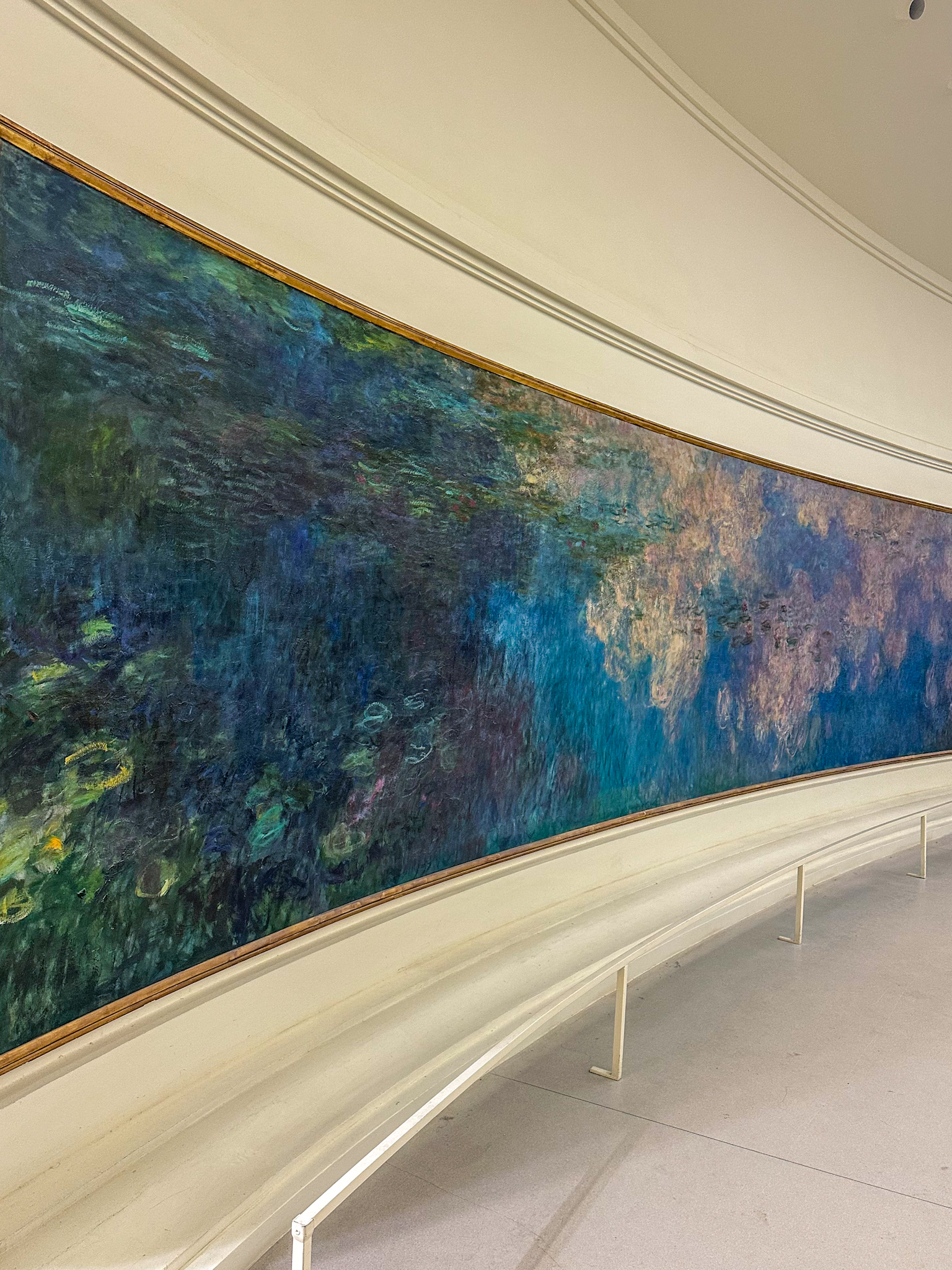
Another museum I recommend for Impressionist art is the Musée de l'Orangerie in the Tuileries Garden. The museum is most famous for Claude Monet's enormous Water Lilies paintings. Rather than seeing one Monet hanging on a gallery wall, you walk into curved rooms surrounded by the paintings. It's immersive without trying to be an "immersive experience."
The art itself creates the experience. Musée de l'Orangerie is also much more manageable in size than the Louvre, which makes it easy to combine with other things you're already doing around the Tuileries and Place de la Concorde. If you love Monet, I would absolutely prioritize it.
Petit Palais
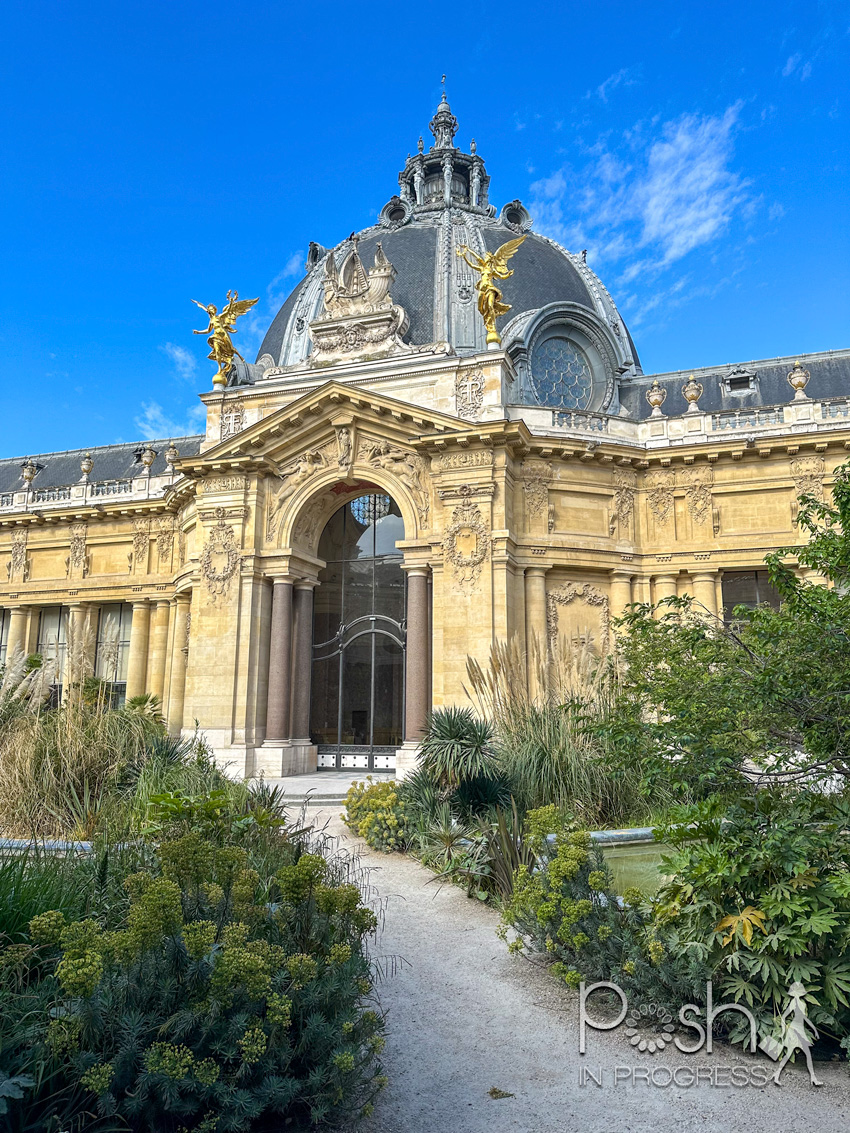
Petit Palais is one of my favorite museums in Paris, and I think it's incredibly underrated compared with some of the city's more famous museums.
First of all, the building is gorgeous. I love the grand architecture, but my favorite part might be the interior courtyard and garden. There is also a café, which makes it such a beautiful place to slow down in the middle of a busy day of sightseeing.
When I visited, I arrived around opening and practically had the place to myself. Even better, admission to the permanent collection at Petit Palais is free, although temporary exhibitions may require a ticket. If you're searching for free museums in Paris, this is one I would absolutely add to your itinerary.
Musée Carnavalet
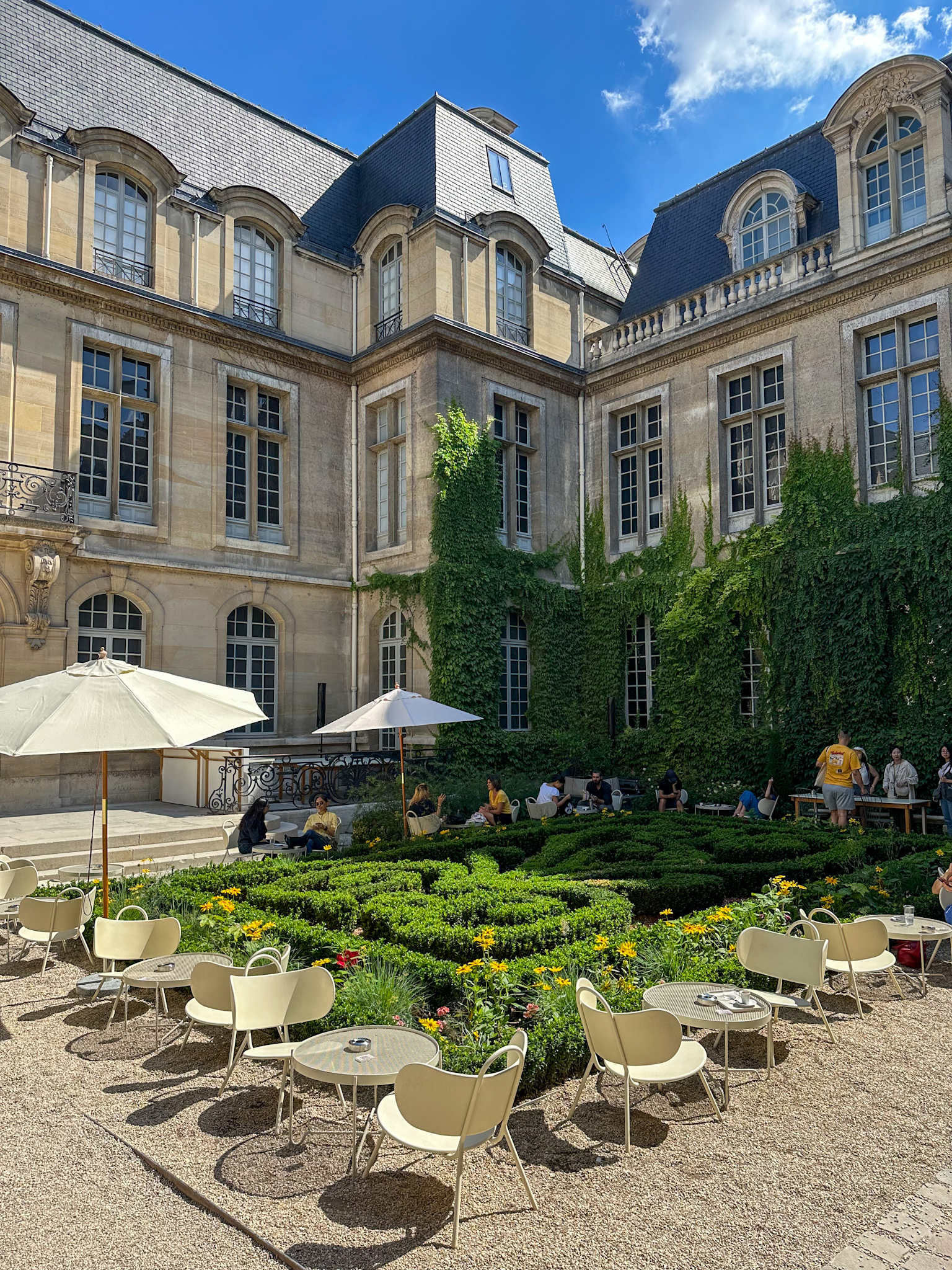
Another fantastic free museum in Paris is Musée Carnavalet in the Marais. This one surprised me. The museum is dedicated to the history of Paris and is housed across beautiful historic mansions. You can walk through period rooms and exhibits that help tell the story of how Paris developed over time.
But one of my favorite discoveries was outside the galleries. The museum has a beautiful courtyard garden with a restaurant and café that feels like a hidden gem in the Marais. Honestly, even if you aren't someone who wants to spend hours learning about Parisian history, I think Musée Carnavalet is worth stopping by for the architecture and courtyard. It's an easy addition to a day exploring Le Marais, and the permanent collection is free.
Musée Picasso Paris
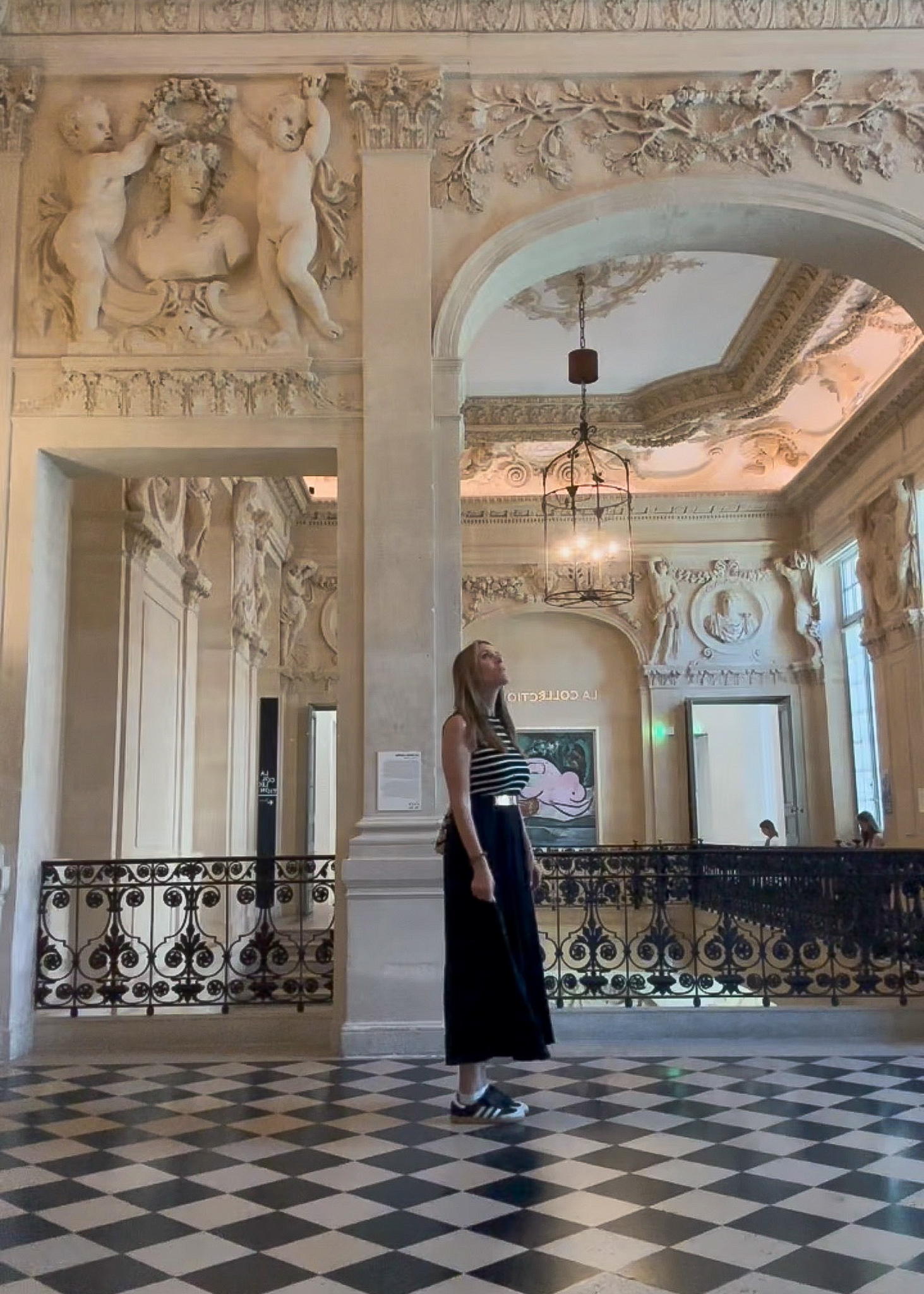
Also located in the Marais, Musée Picasso Paris is housed inside the gorgeous Hôtel Salé. This is another museum where I found myself paying almost as much attention to the building as the collection. The grand staircase, historic interiors and courtyard make the setting part of the experience.
Of course, the museum contains an extensive collection related to Pablo Picasso, but I also appreciated seeing the museum place his work into conversation with other artists. During my visit, there was a contemporary exhibition featuring Black artists, which gave the experience another layer beyond simply walking through rooms of Picasso's work. If you're spending a day in the Marais, Musée Picasso and Musée Carnavalet work really well as part of the same itinerary.
La Galerie Dior
If you love fashion, La Galerie Dior might be one of the best museums in Paris for you. It was definitely a must for me.
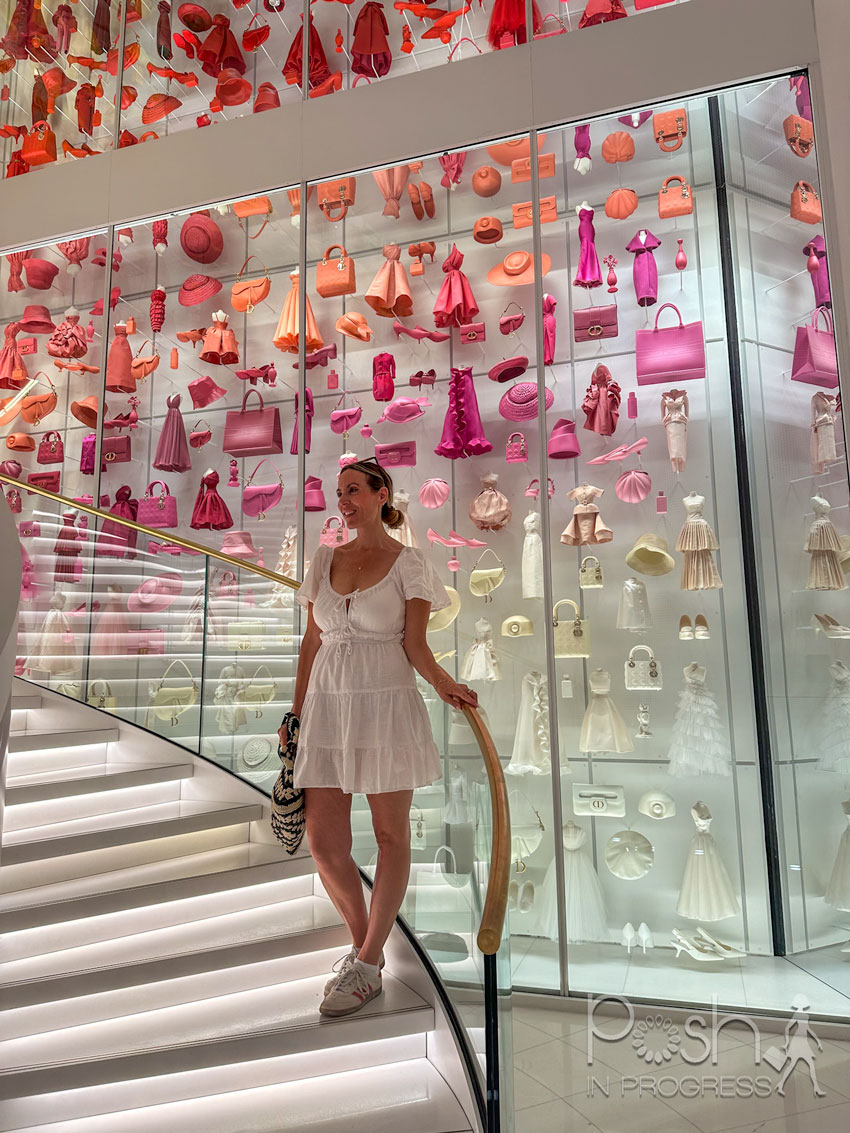
Located on Avenue Montaigne, La Galerie Dior explores the history of the House of Dior through couture gowns, sketches, accessories, archival pieces and some absolutely incredible installations. The displays are stunning.
This is one of those museums where even people who don't normally spend hours in art museums may find themselves completely fascinated by the craftsmanship. My biggest advice is to buy your La Galerie Dior tickets well in advance. Even with my timed ticket, there was a long line when I visited. For fashion lovers, though, I think it's completely worth planning ahead. It really is a fashion lover's paradise.
Bourse de Commerce – Pinault Collection
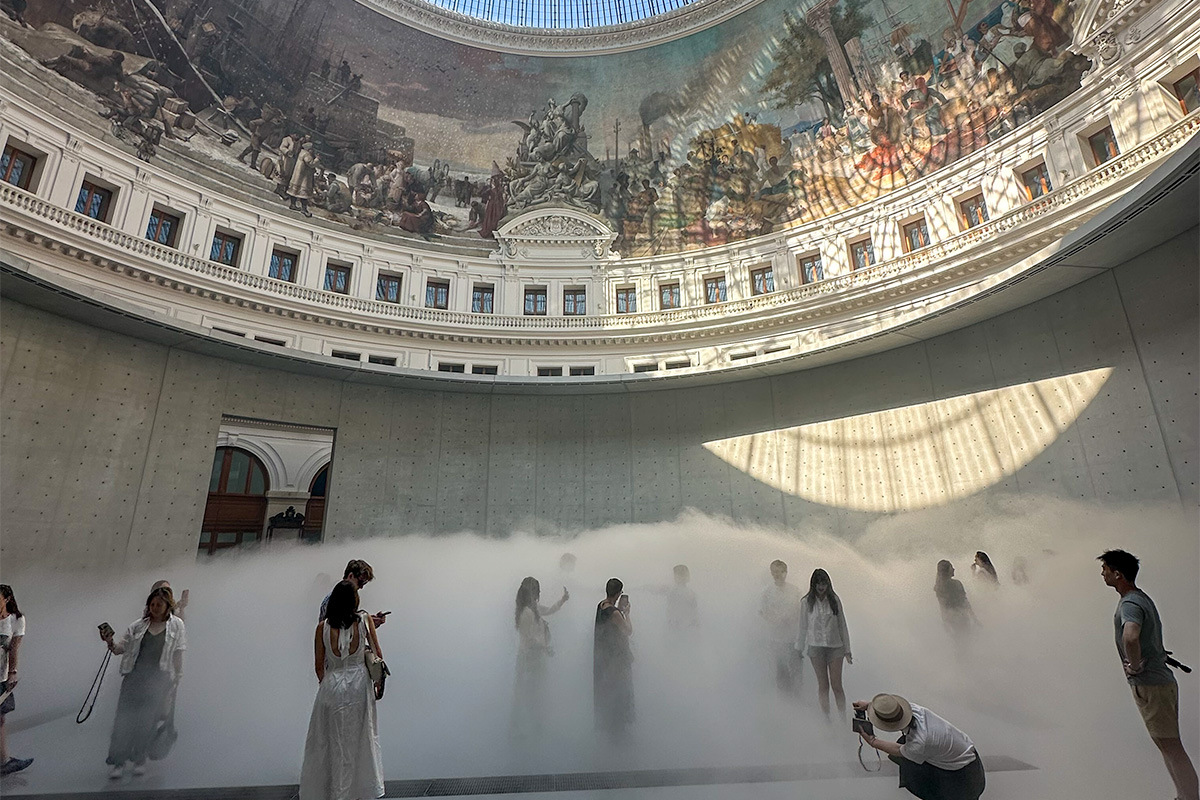
For something completely different, visit the Bourse de Commerce – Pinault Collection. This contemporary art museum is housed inside a spectacular circular historic building near Les Halles. I loved the contrast between the architecture and contemporary installations.
During my visit, one of the most memorable works was Fujiko Nakaya's fog installation. Watching the fog move through the space completely changed how the architecture felt. I also loved seeing the building around mid-afternoon when the natural light transformed the interior.
If you're interested in contemporary art, architecture or photography, Bourse de Commerce is one of my favorite modern museum experiences in Paris.
Fondation Louis Vuitton
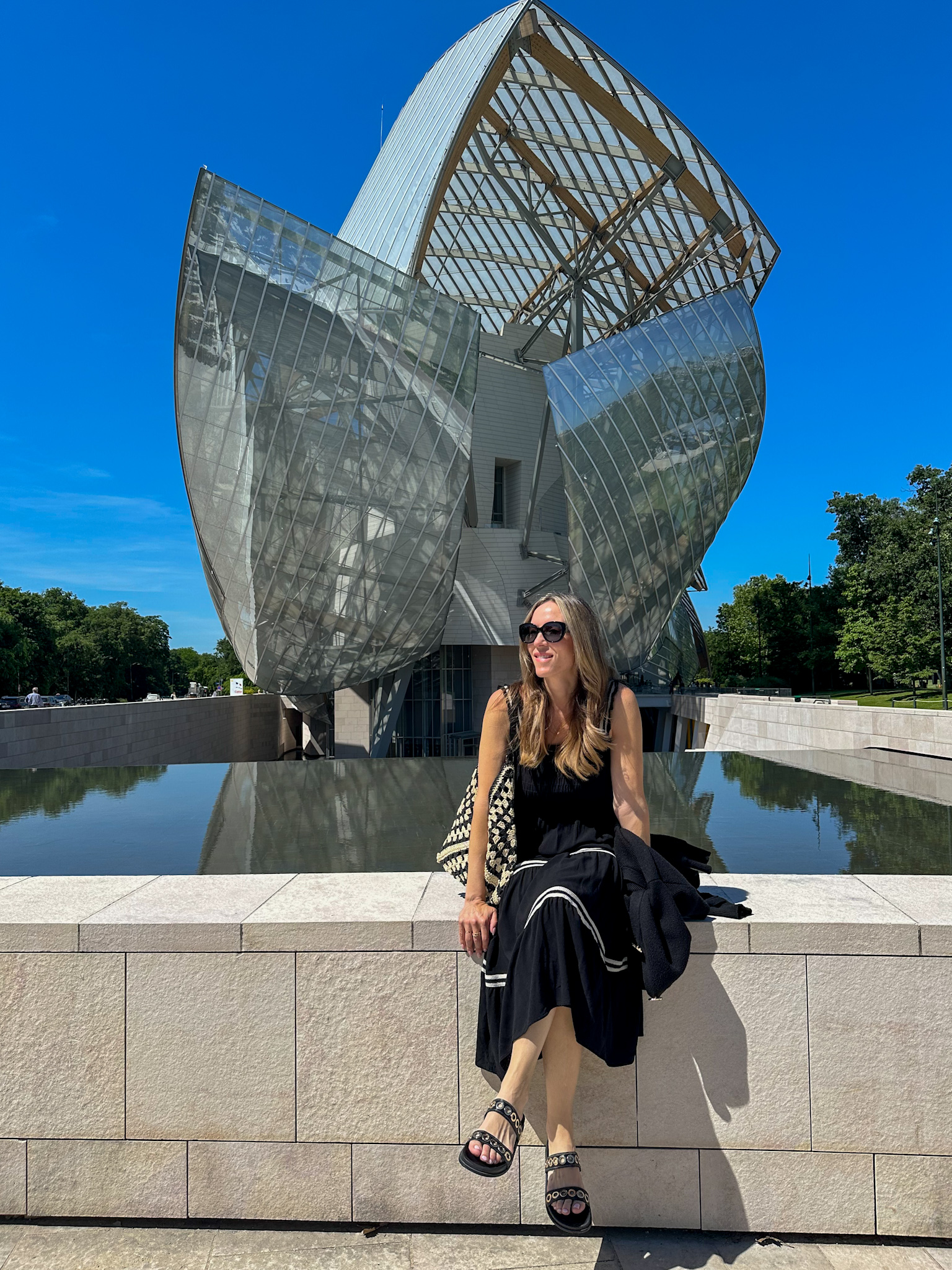
Another major destination for contemporary art is Fondation Louis Vuitton. Even before you walk inside, the Frank Gehry-designed building makes this worth visiting. The museum sits in the Bois de Boulogne and feels very different from visiting museums in central Paris.
Fondation Louis Vuitton hosts major temporary exhibitions, so I would always check what's showing during your trip before buying tickets. This is also one I would give more time than some of the smaller Paris museums because getting there takes a little more effort depending on where you're staying. For architecture and contemporary art lovers, it's worth it.
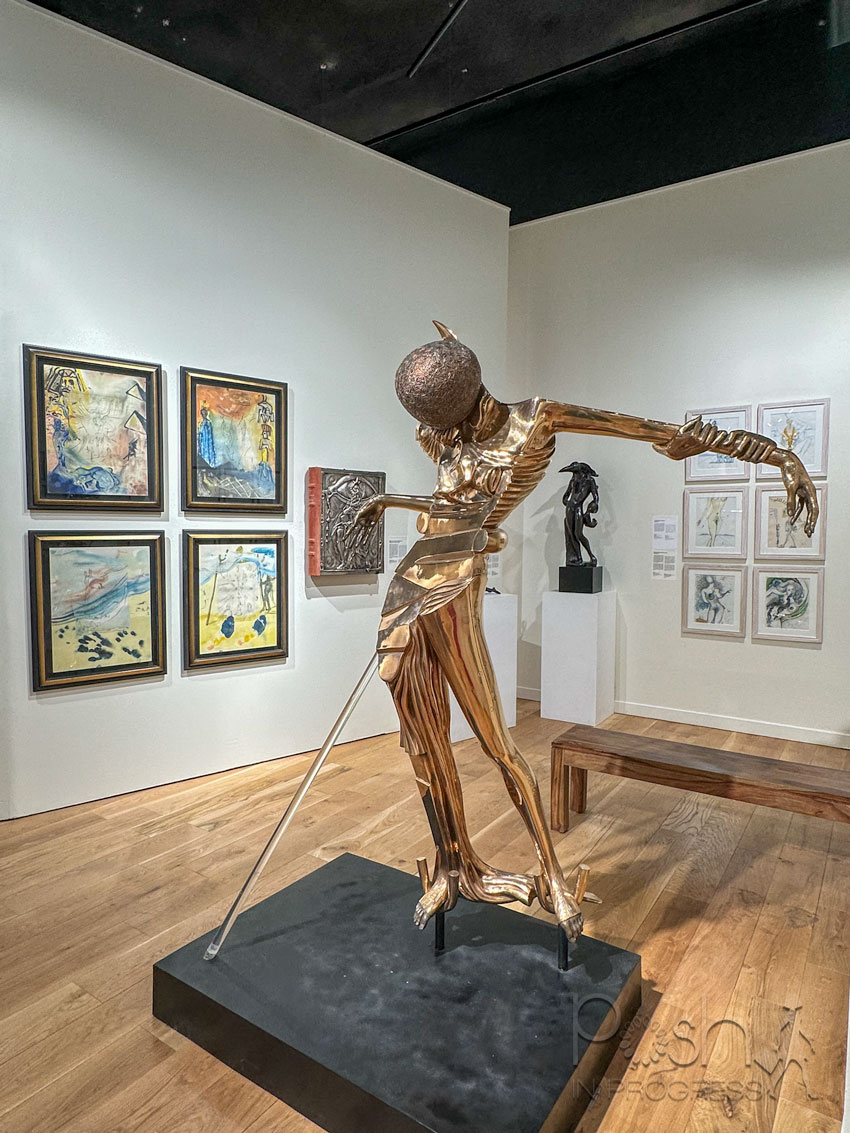
Dalí Paris in Montmartre
If you're spending a day exploring Montmartre, Dalí Paris, formerly known as Espace Dalí, is an easy museum to add to your itinerary. The museum focuses on Salvador Dalí and includes sculptures, drawings, engravings and other works that showcase his surrealist style. What I liked about this museum was how small and quiet it felt compared with some of the major Paris museums.
Montmartre can get incredibly crowded, especially around Sacré-Cœur, so stepping into a quieter museum nearby felt like a little escape. You don't need hours here. That's actually part of the appeal. Pair it with Sacré-Cœur, wandering the streets of Montmartre and another nearby museum.
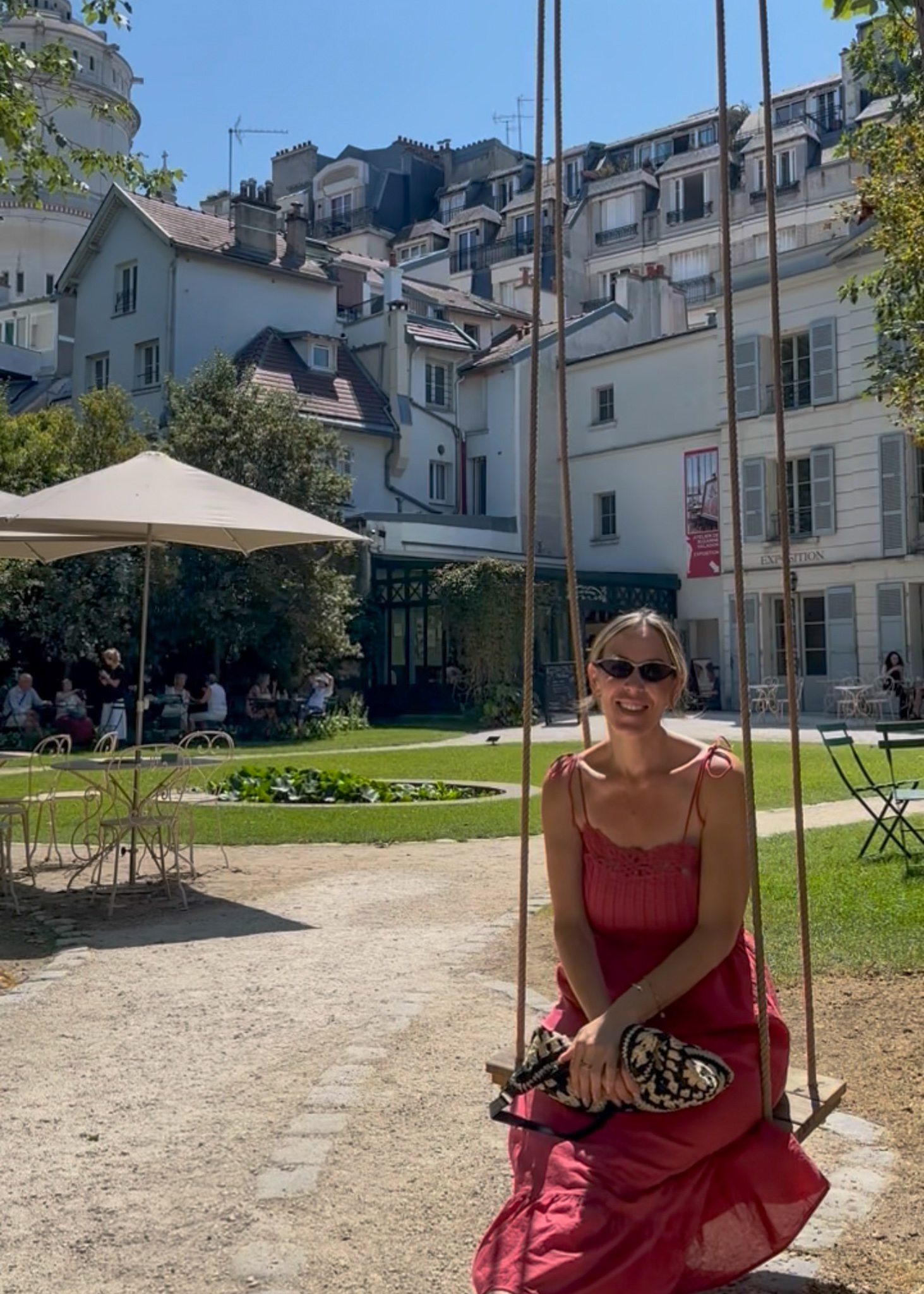
Musée de Montmartre
Another museum I really enjoyed in this neighborhood was the Musée de Montmartre. This museum is as much about the neighborhood as it is about individual works of art. It explores Montmartre's artistic history inside historic buildings where artists once lived and worked.
But what really makes Musée de Montmartre special is the setting. There are beautiful gardens, a courtyard and even views toward the Montmartre vineyard, which is such an unexpected thing to find in the middle of Paris. There's also a café where you can sit outside. If you're planning a Montmartre day, I would choose this over simply walking up to Sacré-Cœur, taking a photo and leaving. It gives you a much better sense of the artistic history that made the neighborhood famous.
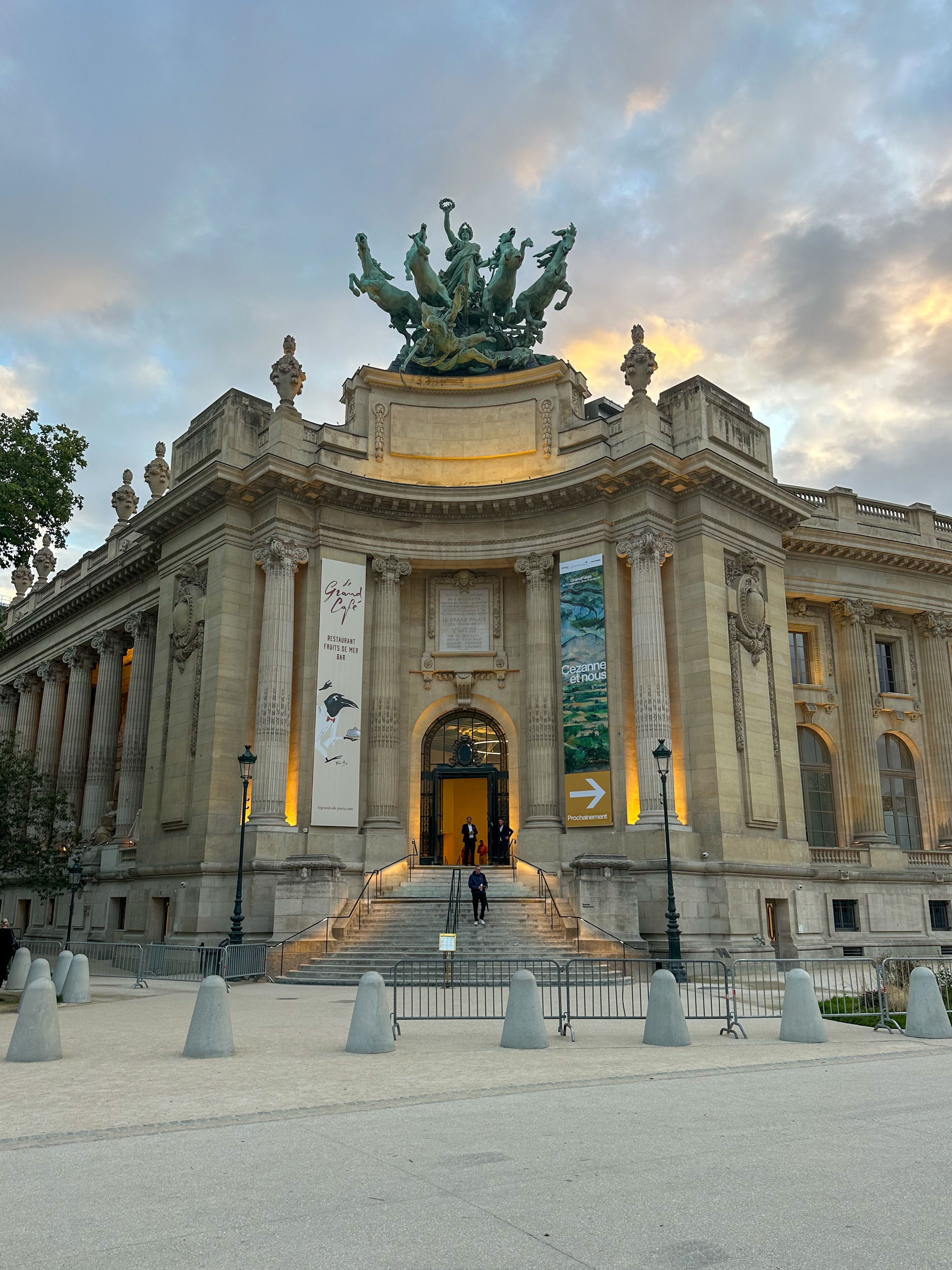
Grand Palais: One of the Most Beautiful Buildings in Paris
The Grand Palais is one of those places in Paris that's worth seeing just for the architecture. Located near the Champs-Élysées in the 8th arrondissement, this stunning building was constructed for the 1900 World's Fair and is known for its massive glass roof, beautiful ironwork, and impressive exhibition spaces. After undergoing an extensive renovation, the Grand Palais reopened in 2025, making it an exciting destination to add to your Paris itinerary.
Unlike traditional art museums with permanent collections, the Grand Palais hosts rotating exhibitions, art fairs, and cultural events. That means what you experience will depend on when you visit. Exhibitions can range from classical art and photography to contemporary installations and fashion, so it's worth checking the schedule before your trip.
Tips for Visiting the Grand Palais
The Grand Palais is located at 3 Avenue du Général Eisenhower in the 8th arrondissement, within walking distance of the Champs-Élysées and Pont Alexandre III. Admission prices vary depending on the exhibition, and I recommend booking tickets in advance. You can find the latest exhibitions and ticket information on the official Grand Palais website.
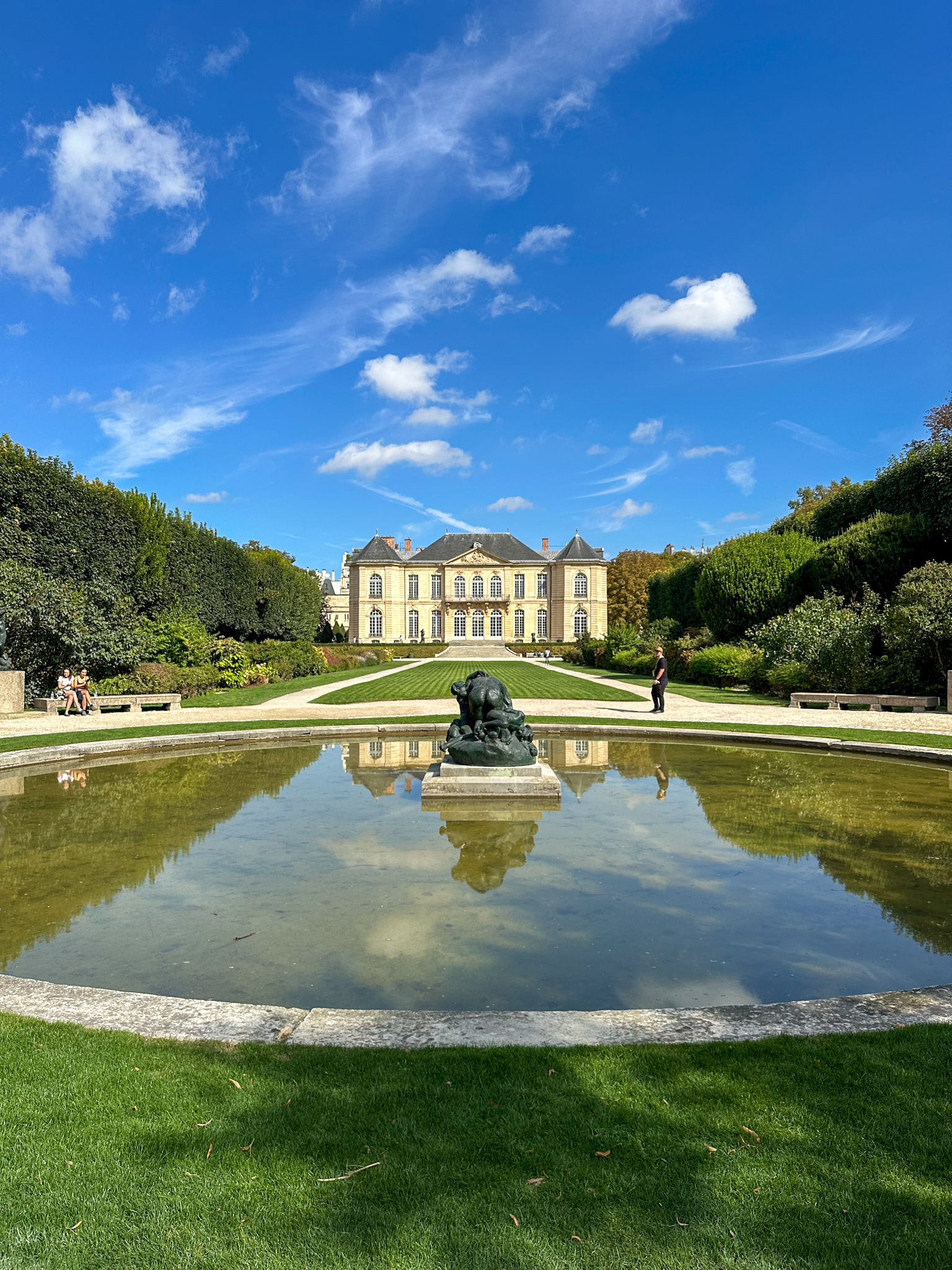
Musée Rodin
If you're looking for a Paris museum that combines incredible art with beautiful outdoor spaces, the Musée Rodin deserves a spot on your itinerary. Located in the 7th arrondissement, this museum is dedicated to French sculptor Auguste Rodin and is housed in the stunning Hôtel Biron, an 18th-century mansion surrounded by gardens.
The museum features some of Rodin's most famous sculptures, including The Thinker, The Kiss, and The Gates of Hell. Inside, you'll find an impressive collection of his work, along with pieces by Camille Claudel, a talented sculptor who had a complicated personal and professional relationship with Rodin.
One of the best things about visiting the Musée Rodin is the sculpture garden. You can wander along the paths, admire the sculptures surrounded by greenery, and enjoy a quieter side of Paris. It's especially beautiful in the spring and summer when the roses are blooming. I love that this museum offers something different from the larger, more crowded museums in the city. It's a place where you can appreciate the art without feeling rushed.
The Louvre Museum: Is It Worth Visiting?
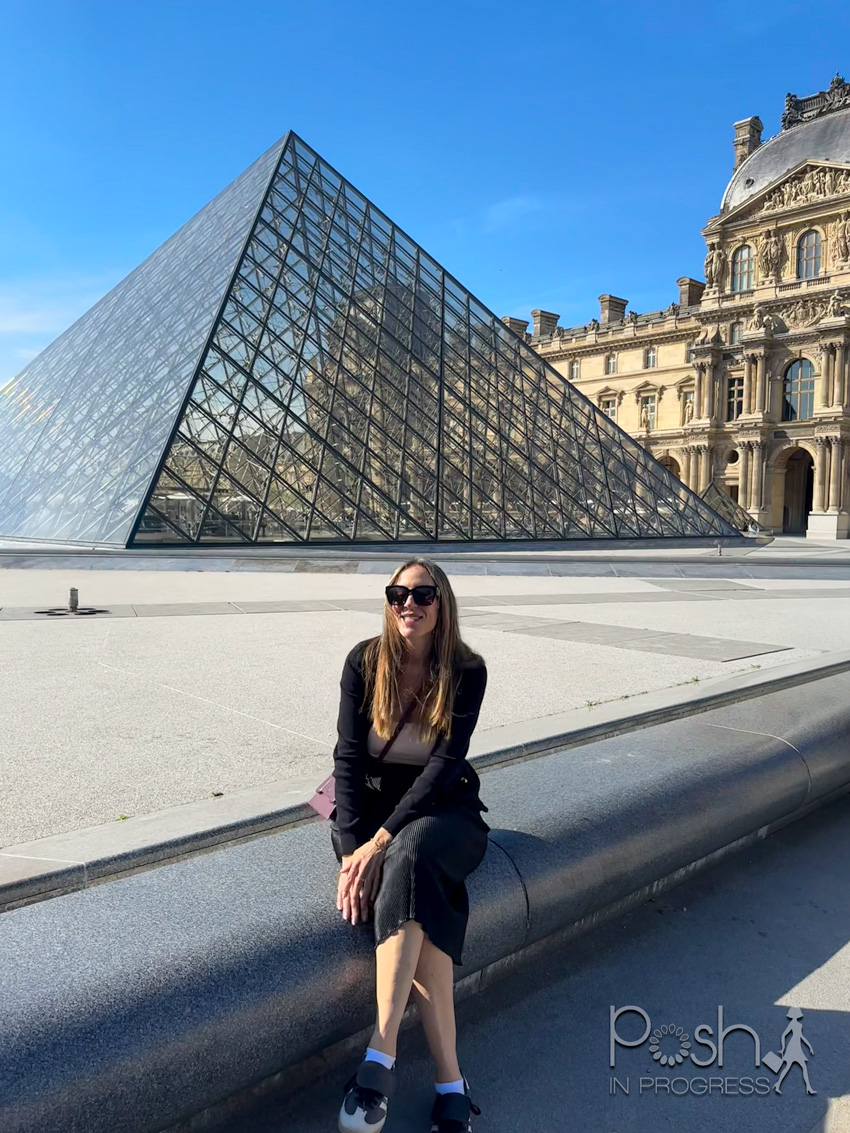
I know this might be an unpopular opinion, but the Louvre is actually one of my least favorite museums in Paris. Don't get me wrong, it's an incredible museum with one of the most impressive art collections in the world. It's home to the Mona Lisa, Venus de Milo, and Winged Victory of Samothrace, along with thousands of other works spanning centuries of history. However, I personally find the Louvre overwhelming.
The museum is absolutely massive, and between the crowds, the long walks between galleries, and the sheer amount of artwork, visiting can feel exhausting. I've found that I enjoy museums much more when I can take my time, appreciate the art, and not feel like I'm navigating a maze. That's one reason I prefer some of the smaller museums in Paris, like the Musée Rodin, Musée de l'Orangerie, Musée Picasso, and Musée Carnavalet. They're simply easier to stomach, especially when you're trying to fit several museums into a Paris vacation.
That said, I still think the Louvre is worth visiting at least once, particularly if it's your first time in Paris. The building itself is magnificent, and seeing some of the world's most famous works of art in person is a special experience. My advice is to go in with a plan rather than trying to see everything. Choose a few collections or specific pieces you're interested in and focus on those. You don't need to spend an entire day there to appreciate what makes the Louvre so famous.
Tips for Visiting the Louvre Museum
The Louvre is located in the 1st arrondissement, right along the Seine. It's closed on Tuesdays, and I highly recommend reserving a timed-entry ticket in advance. If you're hoping to avoid the biggest crowds, consider visiting during the Wednesday or Friday evening hours. Give yourself at least two to three hours, but don't feel pressured to see everything.
For tickets and visitor information, visit the official Louvre website.
My Take: If you only have a few days in Paris and don't absolutely love large museums, I'd encourage you to explore some of the smaller museums instead. Paris has so many incredible art collections tucked inside beautiful historic buildings, and I've often enjoyed those experiences much more than visiting the Louvre.
Which Paris Museums Can You Visit in the Same Day?
Paris is incredibly walkable, and grouping museums by neighborhood can save a huge amount of time.
For the Marais, pair Musée Carnavalet with Musée Picasso and spend the rest of the day exploring the neighborhood.
Around the Tuileries, Musée de l'Orangerie fits easily into a day that includes the gardens and other central Paris attractions.
You could build a fashion-focused day around La Galerie Dior and shopping or sightseeing near Avenue Montaigne.
For Montmartre, visit Dalí Paris and Musée de Montmartre together, then explore Sacré-Cœur and the surrounding streets.
And if you visit Petit Palais, spend some time around the Champs-Élysées and Seine rather than immediately jumping across the city to another museum.
Planning geographically makes museum-heavy days much more enjoyable.
How Many Paris Museums Should You Visit?
Don't overdo it. Even as someone who genuinely loves museums, I don't want to spend eight straight hours walking through galleries. For most trips, I think one major museum plus one smaller museum in a day is plenty.
This is another reason I love places like Petit Palais, Musée Carnavalet and Dalí Paris. Not every museum experience needs to consume half your day.
Build in time to sit at the café. Walk through the garden. Notice the architecture. Go have lunch. Paris museums are part of experiencing Paris, not something you need to race through so you can say you saw them.
So, Is the Paris Museum Pass Worth It?
If this is your first trip to Paris and you plan to visit several of the major museums and monuments included with the pass, the Paris Museum Pass can absolutely be worth considering. But don't automatically buy it because you're a museum lover. Some of my favorite museum experiences in Paris aren't necessarily the places that make a museum pass valuable.
Petit Palais and Musée Carnavalet already offer free access to their permanent collections. La Galerie Dior requires separate admission. Bourse de Commerce operates separately. Fondation Louis Vuitton also has its own ticketing. That's why I would build your dream museum itinerary first and evaluate the pass second.
For me, Paris museums aren't about seeing the greatest number possible. They're about discovering spaces that help me experience another part of the city, whether that's standing beneath the clock at Musée d'Orsay, seeing Monet's Water Lilies surrounding me at the Orangerie, walking through Dior couture, watching fog fill the Bourse de Commerce, or unexpectedly finding a beautiful courtyard café inside Musée Carnavalet.
And after visiting so many museums in Paris, that's probably my biggest advice: Leave room for the museums you didn't know you were going to love. For more detailed guides, photos and tips from my visits, check out my individual Paris museum guides on PoshinProgress.com, including La Galerie Dior, Bourse de Commerce, Dalí Paris, Musée Picasso and more of my favorite things to do in Paris.

This site uses selective affiliate links, which means a commission is earned if you make a purchase via the link. The price you pay will be the same whether you use the affiliate link or go directly to the vendor’s website using a non-affiliate link.
Our editorial content is not influenced by advertisers or affiliate partnerships. We appreciate, and thank you for, your support!