
Dalí Museum Paris: Inside Montmartre's Espace Dalí
Montmartre has always felt a little different from the rest of Paris. While neighborhoods like Saint-Germain-des-Prés and the Champs-Élysées are polished and elegant, Montmartre still has an artistic energy that makes it feel like you've stepped into another era. The narrow cobblestone streets wind past ivy-covered buildings, painters set up their easels in Place du Tertre, and nearly every corner seems to reveal another charming café or hidden staircase. It's the kind of neighborhood where I always find myself slowing down instead of rushing to the next attraction.
On my most recent visit, I spent the morning exploring Montmartre before making my way to one of its lesser-known attractions, Espace Dalí. Tucked away on a quiet street just steps from Place du Tertre, the museum is easy to miss if you aren't looking for it. Most visitors continue toward Sacré-Cœur without ever realizing it's there. That would have been a mistake. I expected to spend thirty or forty-five minutes walking through the museum before heading back outside. Instead, it became one of my favorite museum experiences in Paris.
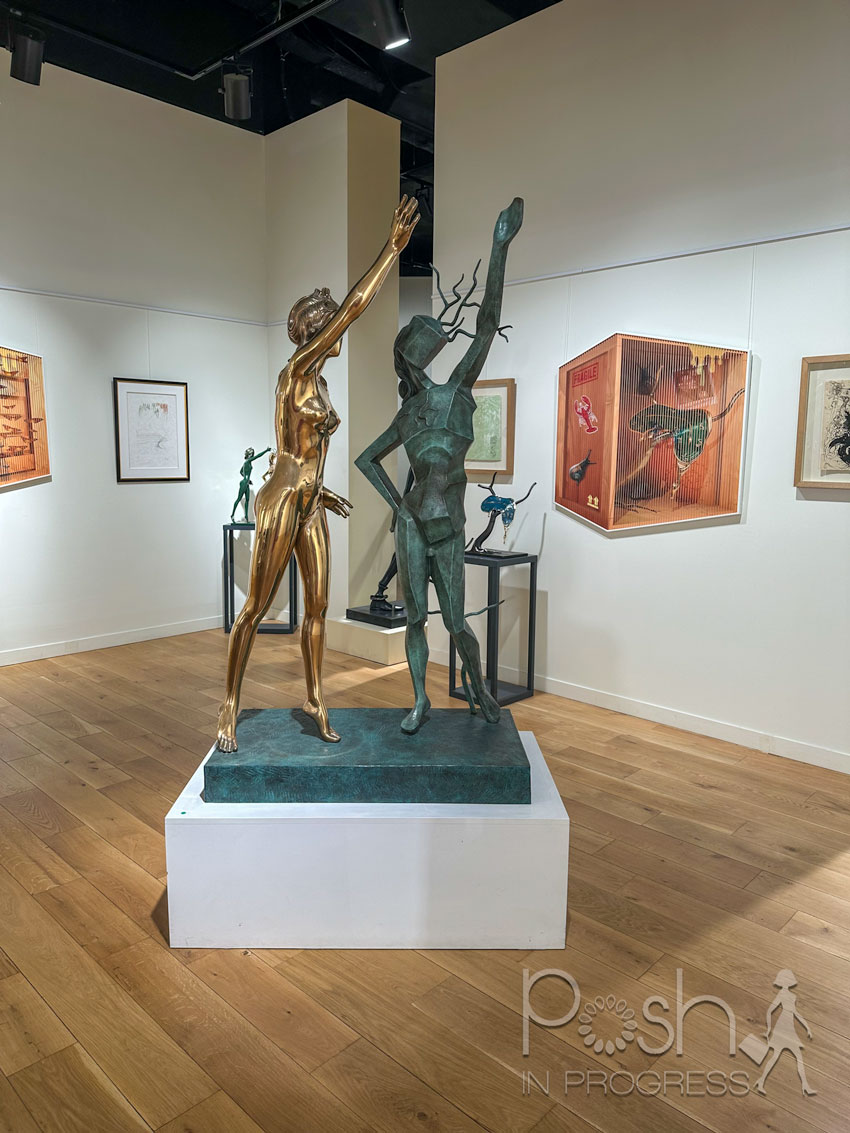
Unlike many of the city's larger museums, Espace Dalí felt wonderfully quiet. During my visit, there was only one other person inside the galleries. Instead of weaving through crowds or waiting for people to move so I could see the artwork, I had the rare opportunity to simply slow down. I stood in front of sculptures for several minutes, walked around them from every angle, and found myself noticing details I probably would have missed in a busier museum. It reminded me that bigger isn't always better.
Espace Dalí isn't trying to compete with the Louvre or Musée d'Orsay. Instead, it offers something completely different: an intimate look inside the surreal imagination of Salvador Dalí. The museum focuses primarily on his sculptures, engravings, illustrations, and graphic works, revealing another side of the artist that many visitors never have the chance to experience.
If you're planning to spend time exploring Montmartre, I think Espace Dalí deserves a spot on your itinerary. Whether you're an art lover or simply looking for something beyond the typical tourist attractions, here's why this small museum completely exceeded my expectations.
Salvador Dalí Paintings on Display
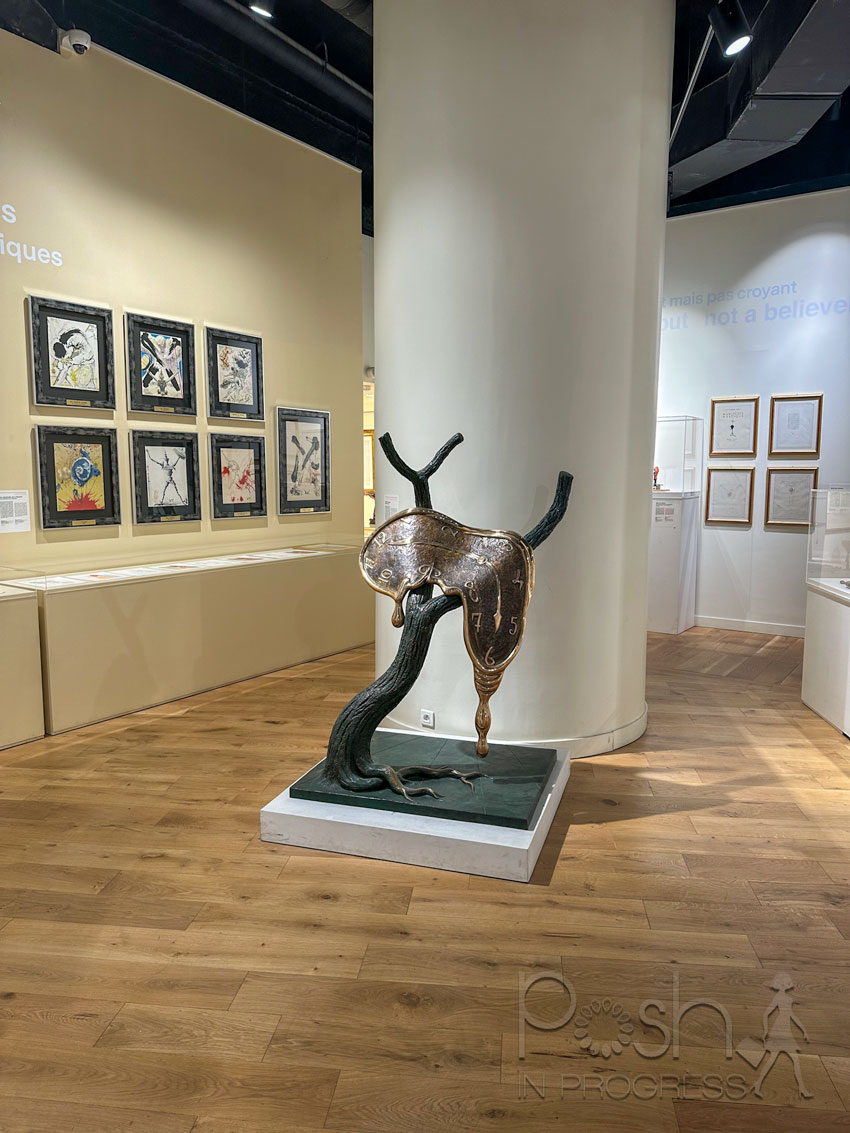
Most people know Salvador Dalí because of one painting: The Persistence of Memory with its famous melting clocks.
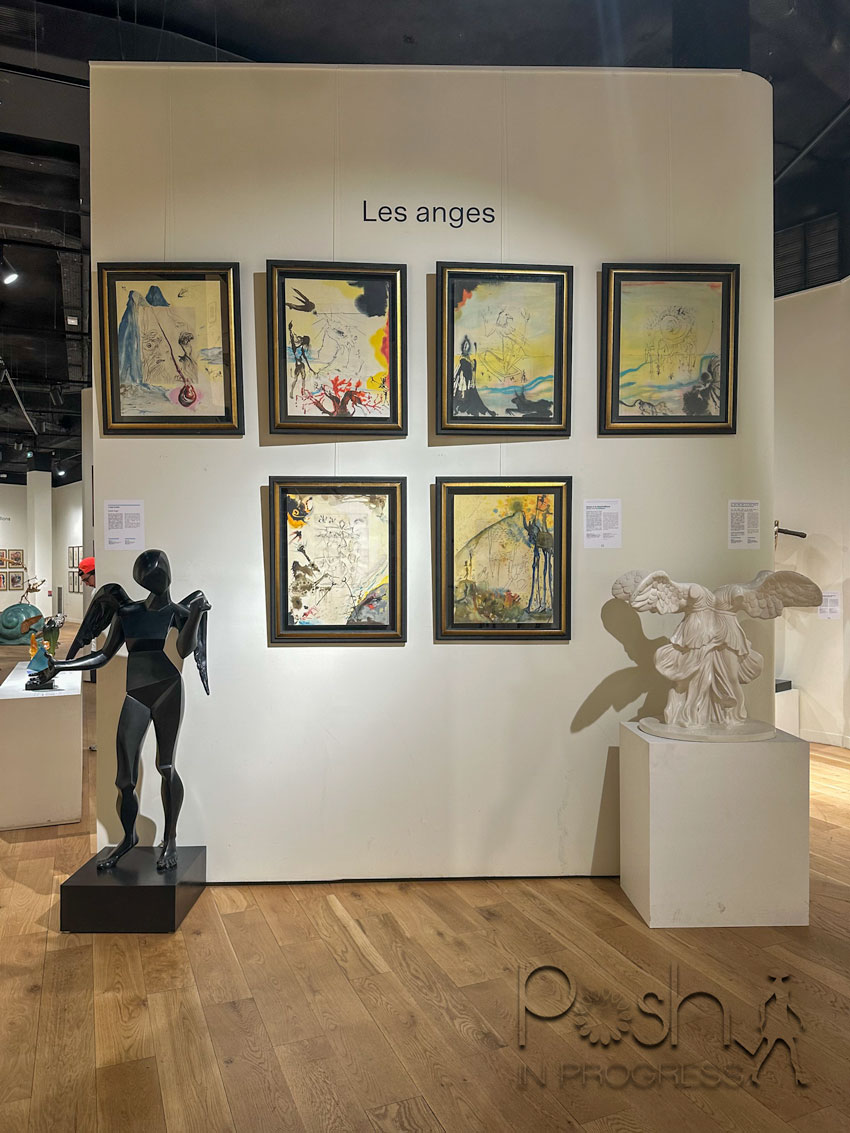
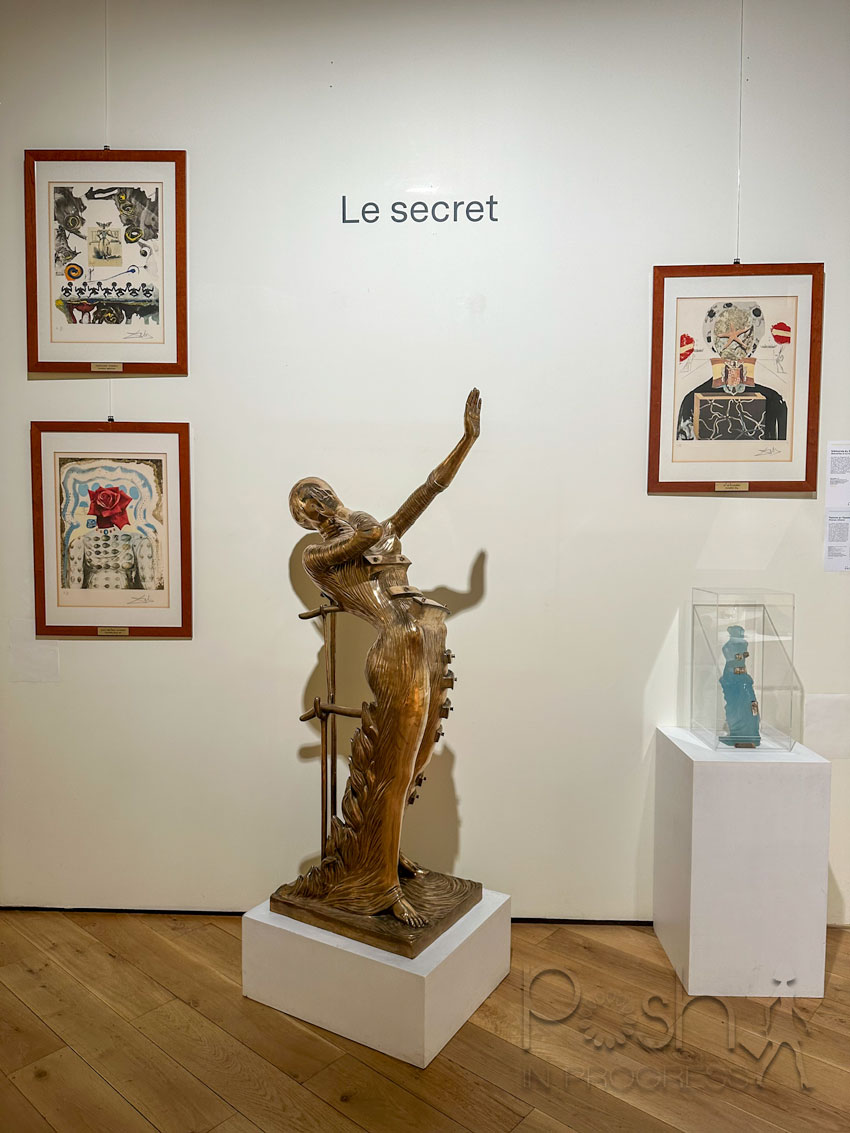
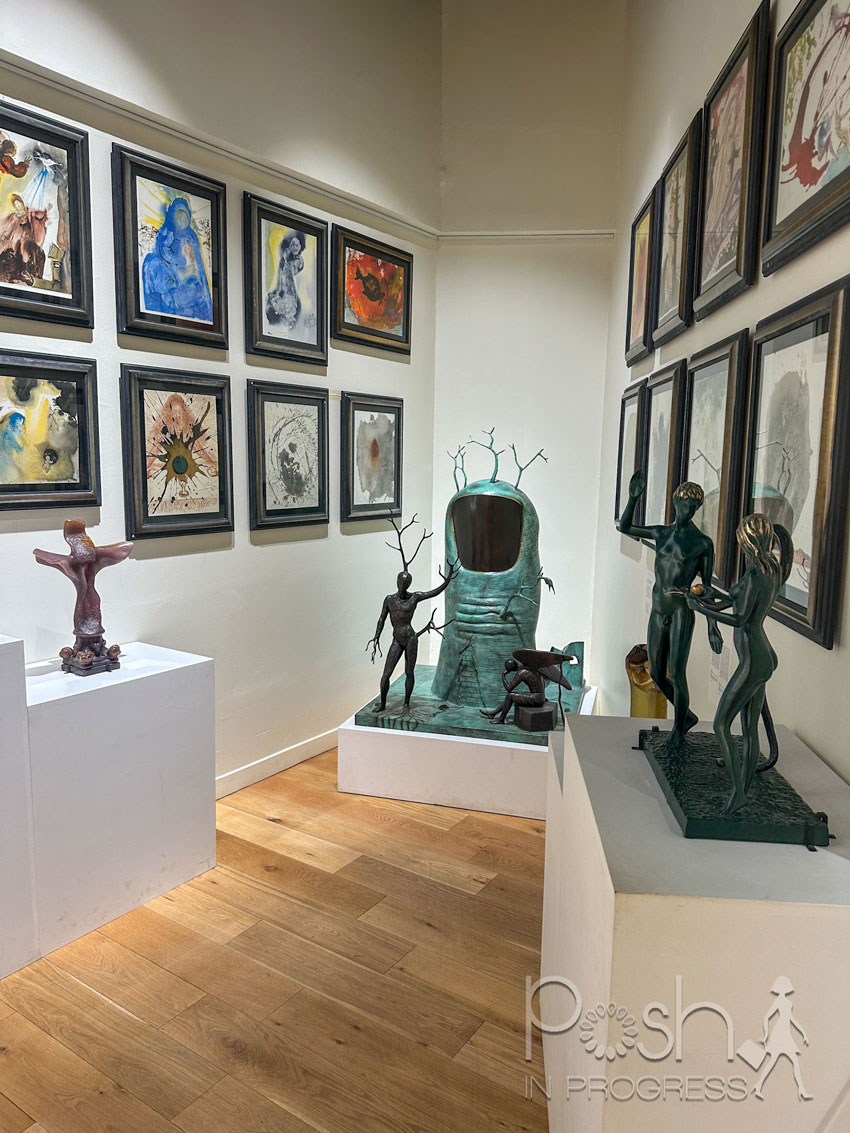
While you won't find every iconic masterpiece here, Espace Dalí offers something that I actually found more interesting. Rather than focusing only on Dalí's most recognizable paintings, the museum introduces visitors to the incredible range of his artistic career through engravings, illustrations, watercolors, prints, and graphic works alongside his sculptures.
As I walked through the galleries, I realized how much broader Dalí's work was than I had ever imagined. Every room introduced another theme, another technique, or another interpretation of surrealism that helped me understand the artist beyond the images I'd seen in textbooks or online.
One thing I appreciated was that the museum doesn't assume visitors already know everything about Dalí. Throughout the exhibits, you'll find thoughtful explanations that provide context without overwhelming you. The displays explain recurring symbols, artistic influences, and important moments in Dalí's career, making the experience accessible whether you're an art historian or someone simply curious about one of the twentieth century's most fascinating artists.
Because the museum was so quiet during my visit, I never felt pressured to move on to the next gallery. Instead, I found myself reading nearly every description and spending much longer with each piece than I normally would. It was refreshing to experience an art museum at my own pace rather than feeling carried along by the crowd.
Salvador Dalí Art and Sculptures
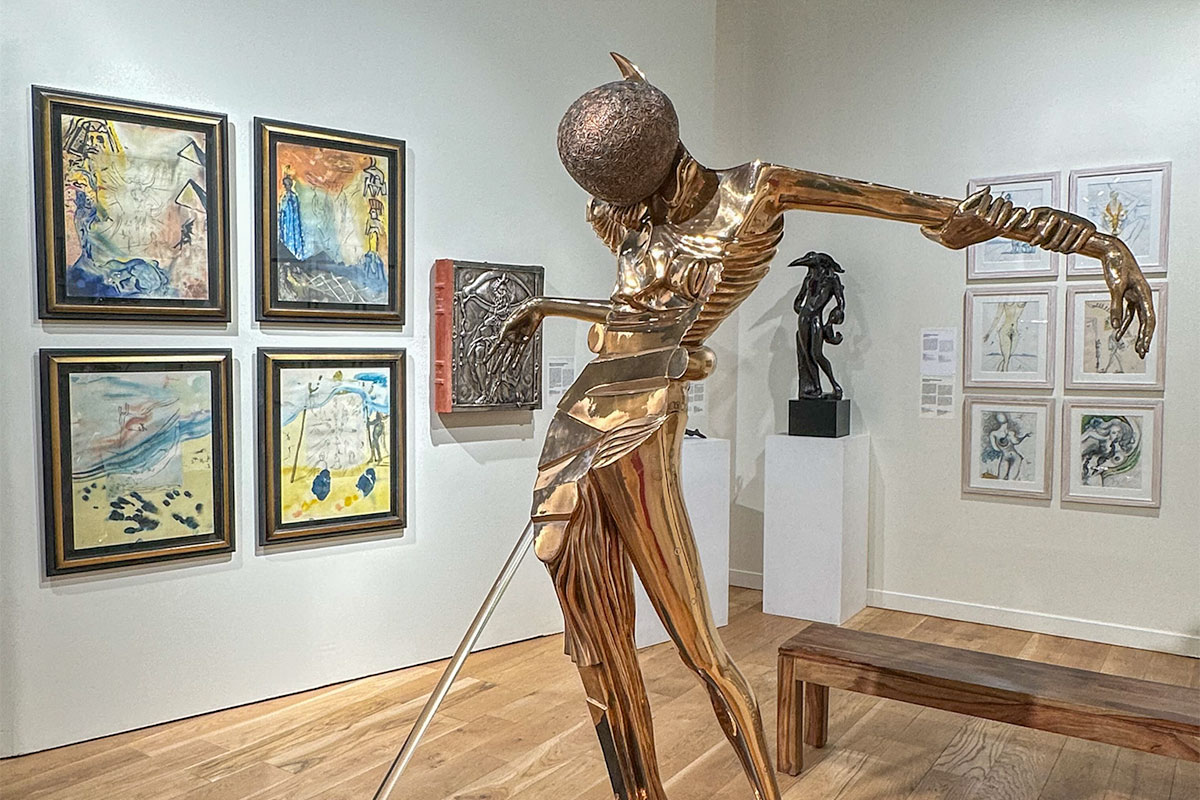
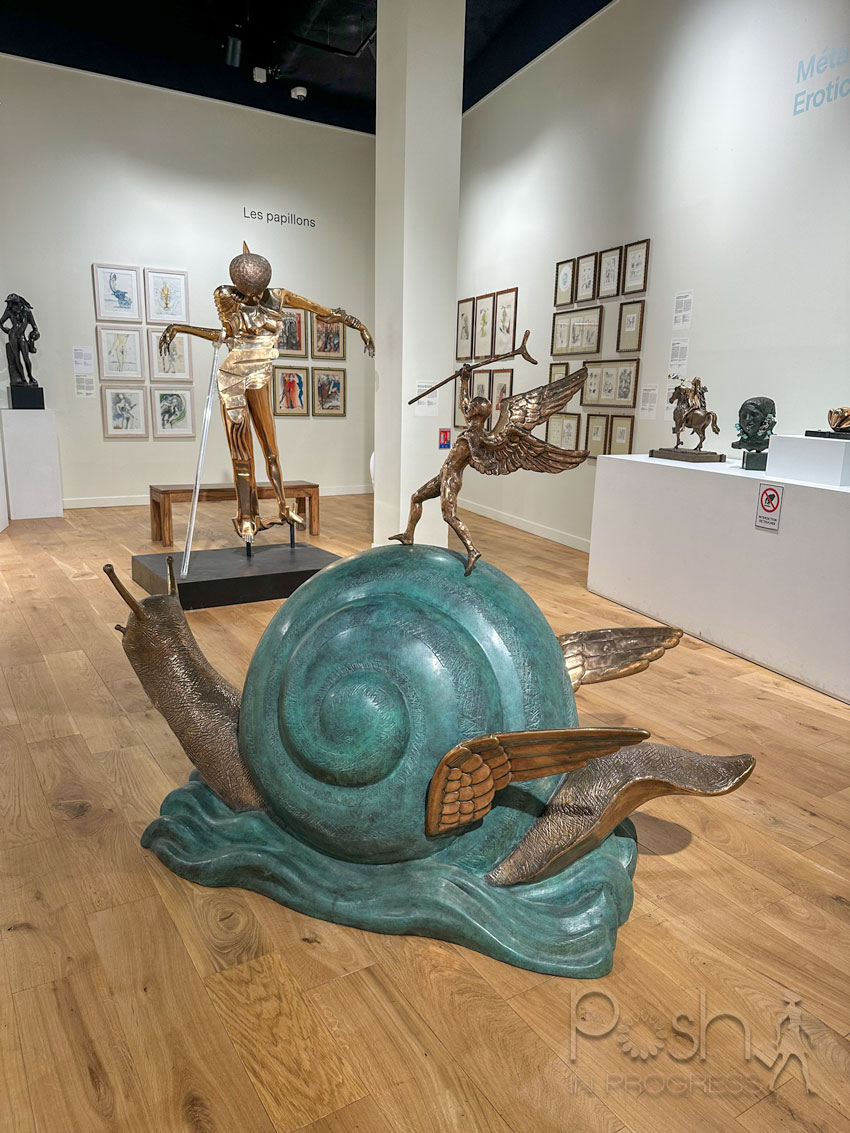
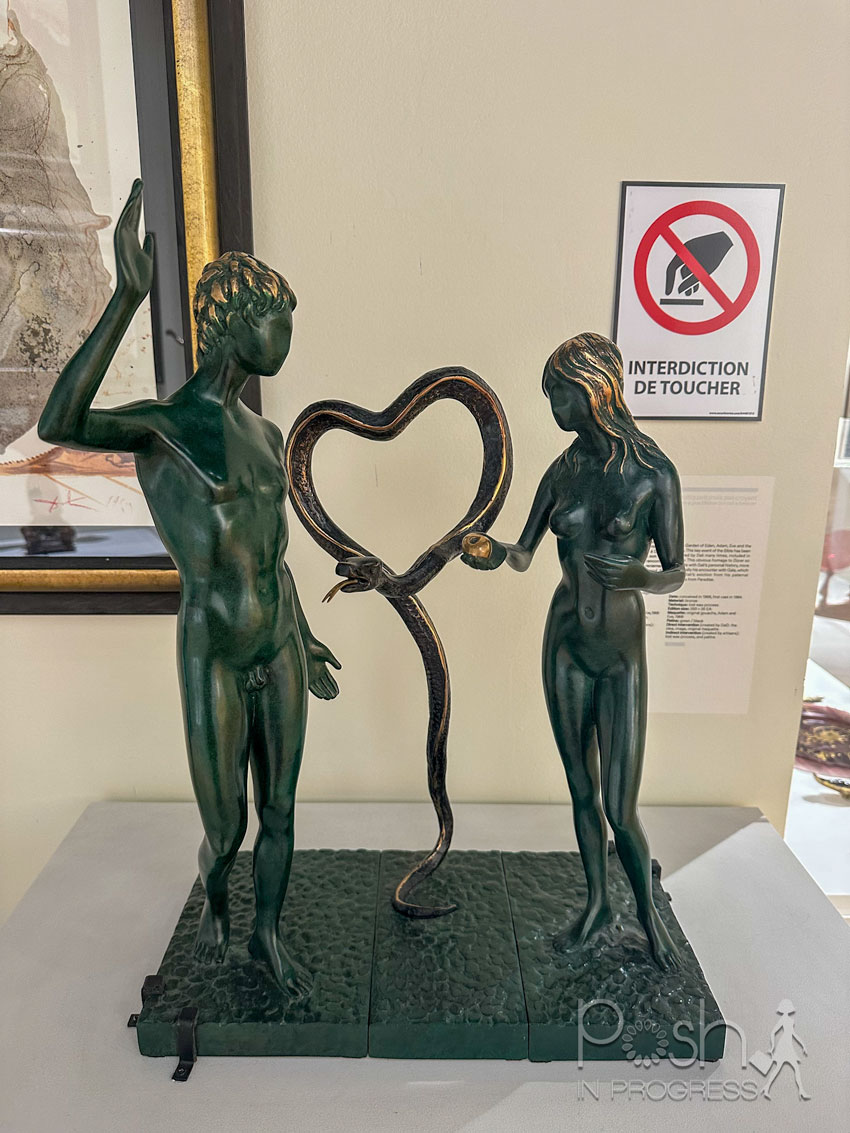
If there's one reason to visit Espace Dalí, it's the sculpture collection. Before my visit, I honestly didn't realize how many sculptures Dalí had created. Seeing his surreal imagery transformed into three-dimensional works completely changed the way I viewed his art.
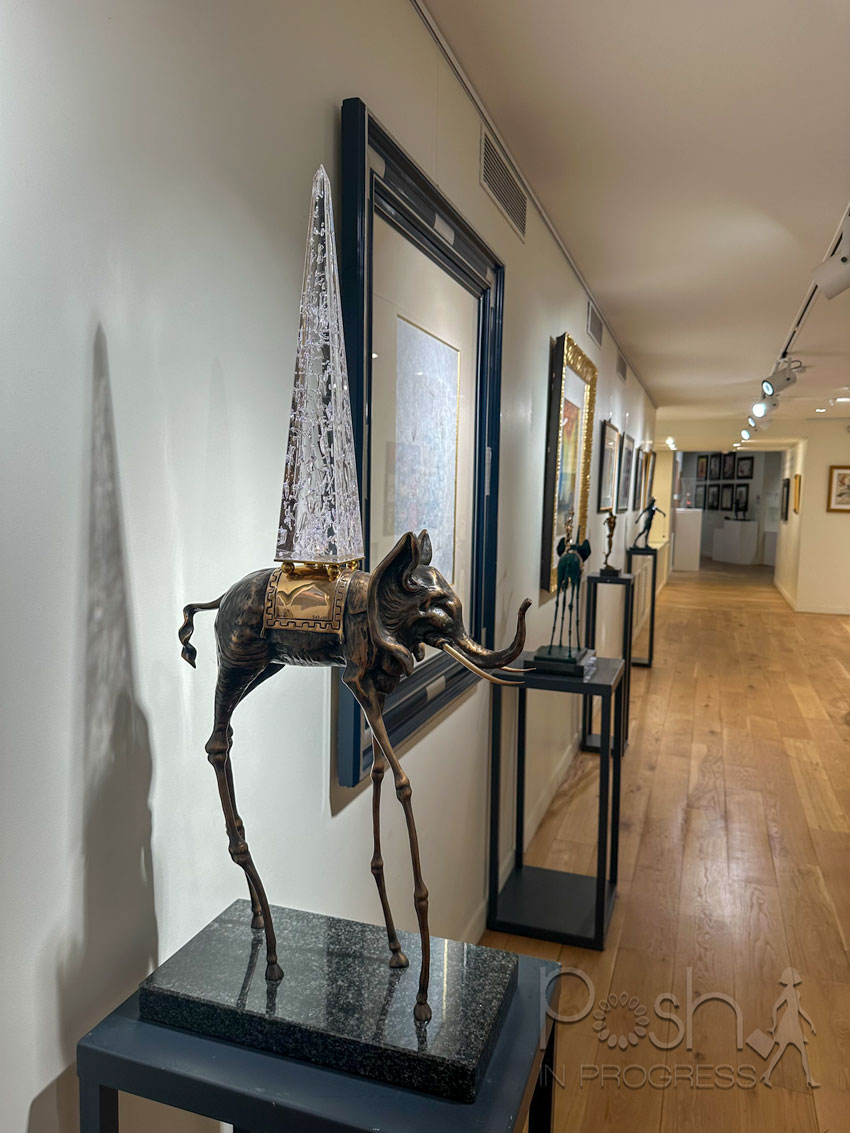
Throughout the museum, you'll find many of the symbols that appear throughout Dalí's work brought to life in bronze. Melting clocks seem to defy gravity, impossibly long-legged elephants stride across delicate bases, mythological figures appear alongside dreamlike creatures, and familiar surrealist imagery takes on entirely new meaning when viewed from every angle. Unlike paintings, sculptures invite you to move.
I loved slowly circling each piece, watching how the light changed its appearance and noticing little details that weren't immediately obvious. Some sculptures seemed playful, while others felt mysterious or even unsettling. Each one encouraged me to stop and think rather than simply glance before moving on.
Having such a quiet museum almost entirely to myself made that experience even better. There were no crowds waiting behind me, no one rushing to take a photo, and no pressure to keep walking. It felt surprisingly personal, almost like visiting a private gallery instead of one of Paris' museums.
That slower pace ended up becoming one of my favorite parts of the entire visit.
Dalí Paintings Explained
One of the reasons Salvador Dalí continues to captivate audiences decades after his death is that his artwork doesn't offer simple answers.
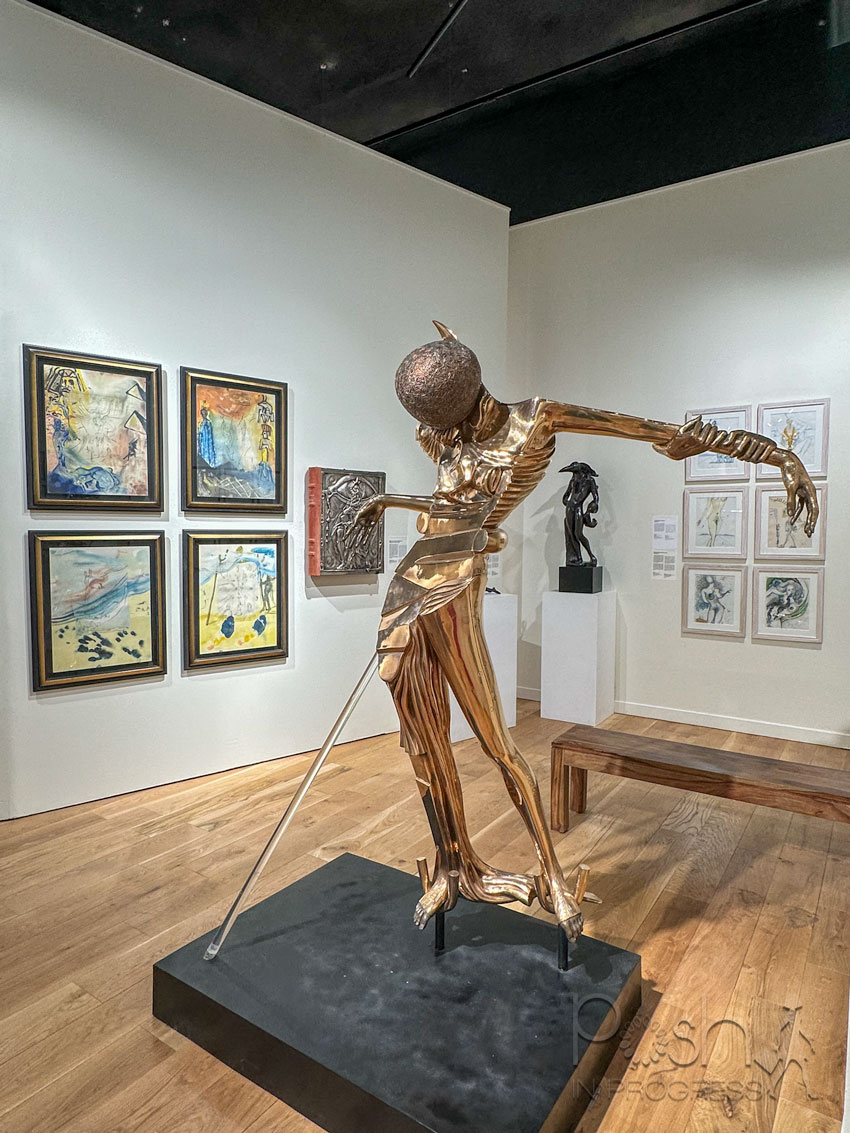
Melting clocks, floating objects, distorted figures, impossibly long legs, and dreamlike landscapes all invite viewers to interpret them differently. Rather than painting the world as it exists, Dalí painted the world as it might exist inside dreams and the subconscious.
As I wandered through the museum, I stopped trying to "understand" every piece in a literal way. Instead, I let myself appreciate the emotion, symbolism, and imagination behind the work. In many ways, I think that's exactly how Dalí intended people to experience his art.
The museum also does an excellent job explaining many of Dalí's recurring themes, including his fascination with psychology, religion, mythology, science, and dreams. Reading those explanations helped me connect ideas that I probably would have missed on my own.
By the time I reached the final gallery, I realized I wasn't just admiring beautiful artwork anymore. I was beginning to understand how Dalí saw the world, and that's something I hadn't expected when I first walked through the doors.
What I appreciated most, though, was the opportunity to simply sit with the art. In many museums, you're constantly aware of the people around you. At Espace Dalí, I could linger as long as I wanted. That quiet atmosphere allowed me to become completely immersed in the collection, making it one of the most relaxing and memorable museum visits I've had in Paris.
Explore Montmartre Before or After Visiting Espace Dalí
One of the reasons I loved visiting Espace Dalí had nothing to do with the museum itself. It was where it was located. The museum sits just steps from Place du Tertre, one of Montmartre's most famous squares, making it incredibly easy to combine with a morning or afternoon exploring one of Paris' most charming neighborhoods. While many visitors head straight to Sacré-Cœur before moving on to another part of the city, I think Montmartre deserves much more of your time.
This is one of those neighborhoods where getting a little lost is part of the experience. I loved wandering down the narrow cobblestone streets, discovering tiny cafés tucked into quiet corners, browsing local boutiques, and watching artists paint in the square just as they have for generations. There are flower-covered balconies, ivy climbing old stone buildings, and hidden staircases that seem to lead somewhere new around every corner. Even after several visits to Paris, Montmartre continues to feel different from every other neighborhood in the city.
It's easy to understand why so many artists were drawn here. Long before it became one of Paris' most visited neighborhoods, Montmartre was home to artists including Picasso, Renoir, Modigliani, and, of course, Salvador Dalí. Walking through the neighborhood before visiting the museum made me appreciate Dalí's work even more because you can still feel that creative spirit today.
I actually recommend visiting Espace Dalí after you've spent some time wandering Montmartre. By the time you arrive at the museum, you've already immersed yourself in the neighborhood's artistic atmosphere, making the experience inside feel like a natural continuation of the morning rather than another attraction on your itinerary.
My Perfect Morning in Montmartre
If you're only spending half a day in Montmartre, here's exactly how I would plan it. Start your morning at Sacré-Cœur Basilica before the crowds arrive. Sitting at the highest point in Paris, the basilica offers some of the city's most spectacular panoramic views. Whether you choose to climb to the dome or simply admire the view from the steps, it's one of those places that lives up to the hype. If you're planning a visit, be sure to read my complete Sacré-Cœur guide, where I share everything you need to know before you go.
From there, spend some time wandering through the surrounding streets instead of immediately heading downhill. Some of my favorite moments in Montmartre have happened without any destination in mind. Every turn seems to reveal another charming storefront, hidden courtyard, or beautiful Parisian street that's worth photographing.
Next, make your way to Place du Tertre. Yes, it's touristy, but it's also one of the few places in Paris where artists still gather every day to paint, sketch portraits, and display their work. Even if you don't purchase anything, it's fun to wander through the square and watch the artists at work. Then, just a few steps away, visit Espace Dalí.
After the lively energy of Place du Tertre, the museum feels almost meditative. The contrast between the bustling square outside and the peaceful galleries inside is one of the reasons I enjoyed it so much. It gave me the chance to slow down, appreciate the artwork, and take a break from the crowds before continuing my day.
Finish your visit with lunch or coffee at one of Montmartre's many cafés. It's the perfect place to relax, people-watch, and soak in the atmosphere before exploring another neighborhood.
Is Espace Dalí Worth Visiting?
Without hesitation, yes. If you're expecting a museum on the scale of the Louvre, you'll probably be disappointed. Espace Dalí is relatively small, and that's exactly what makes it so special. In a city where many museums can feel crowded and overwhelming, this one offers something increasingly rare: space.
During my visit, there was only one other person in the museum. That meant I could spend as much time as I wanted with each piece, reading every description, walking around the sculptures, and simply appreciating the incredible creativity behind Dalí's work. I never felt rushed.
In fact, I found myself lingering far longer than I originally planned because I was enjoying the experience so much. I also think Espace Dalí appeals to a wider audience than you might expect. You don't need an extensive knowledge of surrealism or art history to enjoy the museum. The exhibits are thoughtfully curated, the explanations are approachable, and the artwork naturally sparks curiosity. Whether you're visiting Paris for the first time or returning for your tenth trip, it's the kind of museum that offers something different from the city's larger institutions. If you're already planning to visit Montmartre, I think Espace Dalí is absolutely worth adding to your itinerary.
Final Thoughts
When I think back on my visit to Espace Dalí, I don't immediately remember one specific sculpture or exhibit. Instead, I remember the feeling.
I remember stepping out of the busy streets of Montmartre into a peaceful gallery where I could completely slow down. I remember standing in front of sculptures without feeling hurried, taking my time to notice details that I probably would have missed in a more crowded museum. And I remember walking back outside feeling inspired, not just by Dalí's imagination, but by the neighborhood itself. That's what makes this museum so memorable.
Espace Dalí isn't trying to compete with Paris' largest museums. Instead, it offers an intimate experience that perfectly complements one of the city's most artistic neighborhoods. Combined with a visit to Sacré-Cœur, Place du Tertre, and a leisurely walk through Montmartre's winding streets, it creates one of my favorite ways to spend a morning in Paris.
If you're looking for hidden gems beyond the Louvre and Musée d'Orsay, I highly recommend adding Espace Dalí to your itinerary. It may be one of the smaller museums in Paris, but for me, it delivered one of the city's most memorable museum experiences.
Whether you're an art lover, a fan of Salvador Dalí, or simply someone who enjoys discovering places that feel a little more personal, I think you'll leave understanding why this small museum made such a lasting impression on me.

This site uses selective affiliate links, which means a commission is earned if you make a purchase via the link. The price you pay will be the same whether you use the affiliate link or go directly to the vendor’s website using a non-affiliate link.
Our editorial content is not influenced by advertisers or affiliate partnerships. We appreciate, and thank you for, your support!